Forest theatre asks a lot of an audience before the first line is spoken. They park in a field, walk a quarter of a mile down a track, duck under a low branch, and settle onto a log that wobbles more than they expected. None of that is a problem. It is half the pleasure of the form, provided somebody has thought it through beforehand. Audience safety in woodland settings is less about paperwork than about hospitality: noticing where a guest might stumble, and dealing with it before anyone arrives.
Start with the ground under their feet
Every forest venue has its recurring hazards. Roots that cross the path at shin height. A patch of clay that stays slick for days after rain. A drainage ditch hidden by ferns at the edge of the clearing. A step that is a different depth from the one before it. Walk the entire audience route yourself, in daylight and again at dusk, and if you can, once in the rain. Carry a notebook and write down anything you would not want to cross while carrying a folding chair and a thermos.
Then put it in writing. A simple risk assessment, a few pages listing each hazard, who it affects, what you have done about it and who is responsible, is enough. It is not a bureaucratic ritual. It is the document you consult next summer when you cannot remember which tree dropped a limb in March.
Cover the things you cannot move, too. Deadwood above the seating area, wind, lightning, and the sharp temperature drop that arrives about twenty minutes after sunset. Decide in advance which conditions pause or cancel a performance, who makes that call, and how the audience will be told. A decision made calmly at four in the afternoon is worth ten made in a squall.
Marking paths so nobody has to guess
Visitors do not read a forest the way you do. What looks to you like an obvious route often reads as a choice of three. Marking is about removing decisions, especially after dark when the show ends and everyone leaves at once.
- Place markers on both sides of the route at eye height, and use a different colour for "back to the car park" than for "to the seating". People follow the wrong line constantly.
- Mark every change of level, not just the dramatic ones. A six-inch step is enough to turn an ankle when the light is low.
- Rope or tape off edges where the ground falls away, and mark hazards inside the route at ankle height as well, where a torch beam will catch them.
- Sign the toilets, the water point and the first aid post clearly. People look for these in a hurry, in the dark, and usually alone.
- Where the audience route crosses a track used by vehicles or a working yard, station a person there instead of a sign.
- Keep a copy of the marking plan at front of house. Someone will always need to escort a guest out mid-show.
Lighting that helps without ruining the dark
The instinct after a first stumble is to flood the path with light. Resist it. Bright, high, white light destroys night vision, flattens the trees into a corridor and makes the woods feel like a car park. What works better is low, warm, downward-facing light at the places people actually need it: the ticket check, the steps, the crossing points, the exits, the route back to the car park.
Test the whole scheme at full dark, not at dusk, and walk it as an audience member would, with nothing in your hands. Battery and solar fittings need spare cells on site and someone whose job it is to check them before each performance. Brief ushers to hold torches low and pointed at the ground rather than at faces, and give them a red filter if you have one. And plan for a power failure: a handful of hand torches in known, labelled places that at least three people can find without asking.
First aid, communication and the quiet plan
Have a trained first aider on site for every performance, plus a named deputy who knows where the kit is. That sounds obvious, and it is the thing most often stretched when a company is small. Keep the kit where front of house can reach it, not locked in a production container at the far end of the site. Know the route to the nearest hospital and how long it takes in the dark.
Test your phones on site, with the network you will actually use. Woodland signal is patchy in ways that surprise people who only ever visit to rehearse in the afternoon. Radios or a simple whistle code work when phones fail. Write an evacuation plan that assumes darkness and confusion: who sweeps the seating area, who holds the gate, where everyone gathers, and how you will know the site is empty.
Access needs deserve a mention at the booking stage rather than on the night. A route described as accessible means very little if the ground is soft after a wet week. Offer a drop-off point close to the seating, a firm path where you can build one, and a seat with a back for anyone who needs it. On first aid provision and your legal duties, requirements differ by country and by the size of the event; if you are unsure what applies to you, take advice from a competent health and safety professional or your local authority.
The briefing: two minutes that prevent most problems
Give the audience a short, cheerful, specific welcome before the performance begins. Not a list of warnings, but a set of useful facts, delivered by someone who is clearly glad they came.
- Point out the exits and the route back to the car park, and say that anyone may leave at any time, without explanation.
- Describe the ground honestly: uneven surface, roots, low branches, and the fact that light drops fast once the show starts.
- Explain the show's physical conventions. Whether actors move through the audience, whether there are loud noises, smoke, sudden darkness or moments when the audience is invited to stand and walk.
- Say what to do if they feel unwell, lose their group, or need help: who to speak to, and where that person will be standing.
- Ask them to keep torches off during the performance, but give permission to use a phone light whenever they need one. Safety beats atmosphere.
- Mention the walk back. Offer to let people leave in groups, and keep the exit route lit until the last person has cleared it.
Write the briefing down and keep it to the same shape every night, so that whoever delivers it does not forget the awkward but important line about the ditch. If the show includes content that might unsettle people, say so at the point of booking rather than in the dark.
A final check before the gates open
An hour before the audience arrives, one person should walk the route with fresh eyes and a short list.
- Path markers present and visible from both directions.
- Steps, roots and ditches marked; loose tape retied.
- Lighting on, aimed at the ground, spares in the box.
- First aid kit, torches and radio at front of house.
- Deadwood checked above the seating area after any wind.
- Forecast read, and the person who can call the show knows they may be needed.
None of this is complicated, and almost none of it is visible to an audience. That is the point. The best safety work in a forest feels like being looked after by a host who knows the woods well, which is exactly what it is.
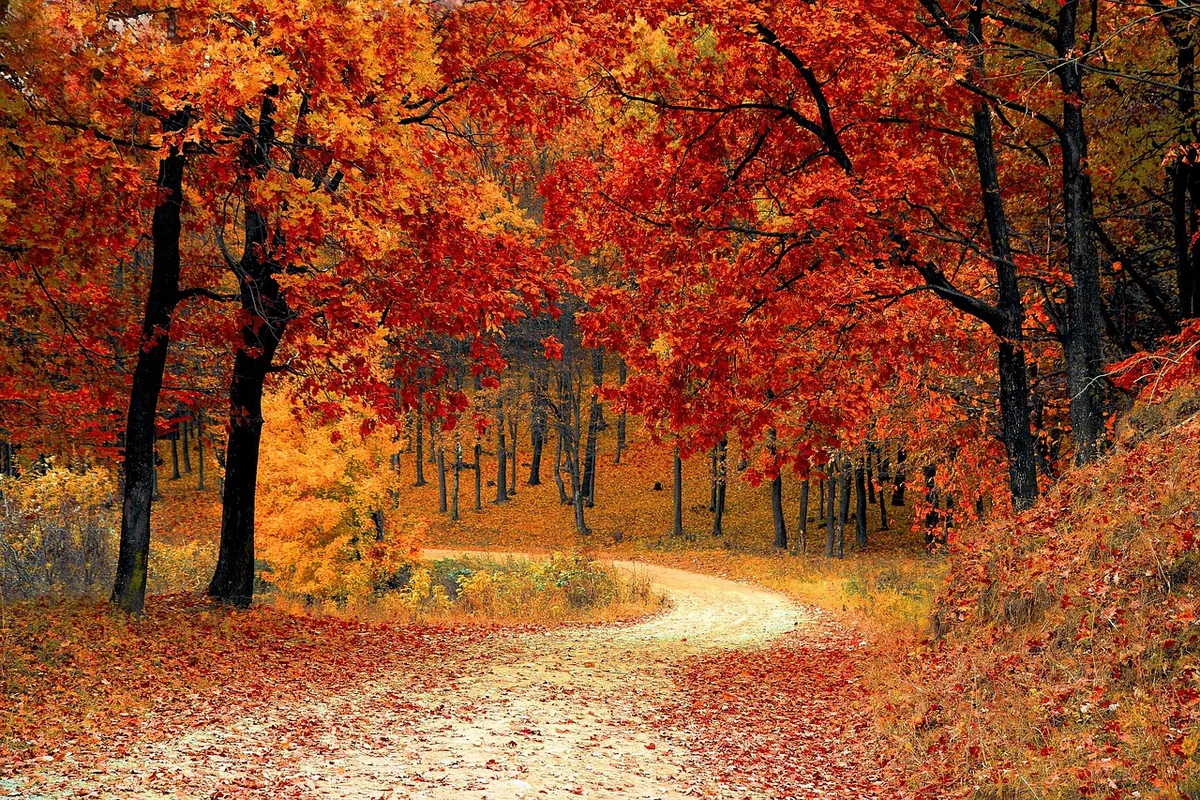
Photo: Valiphotos / Pixabay