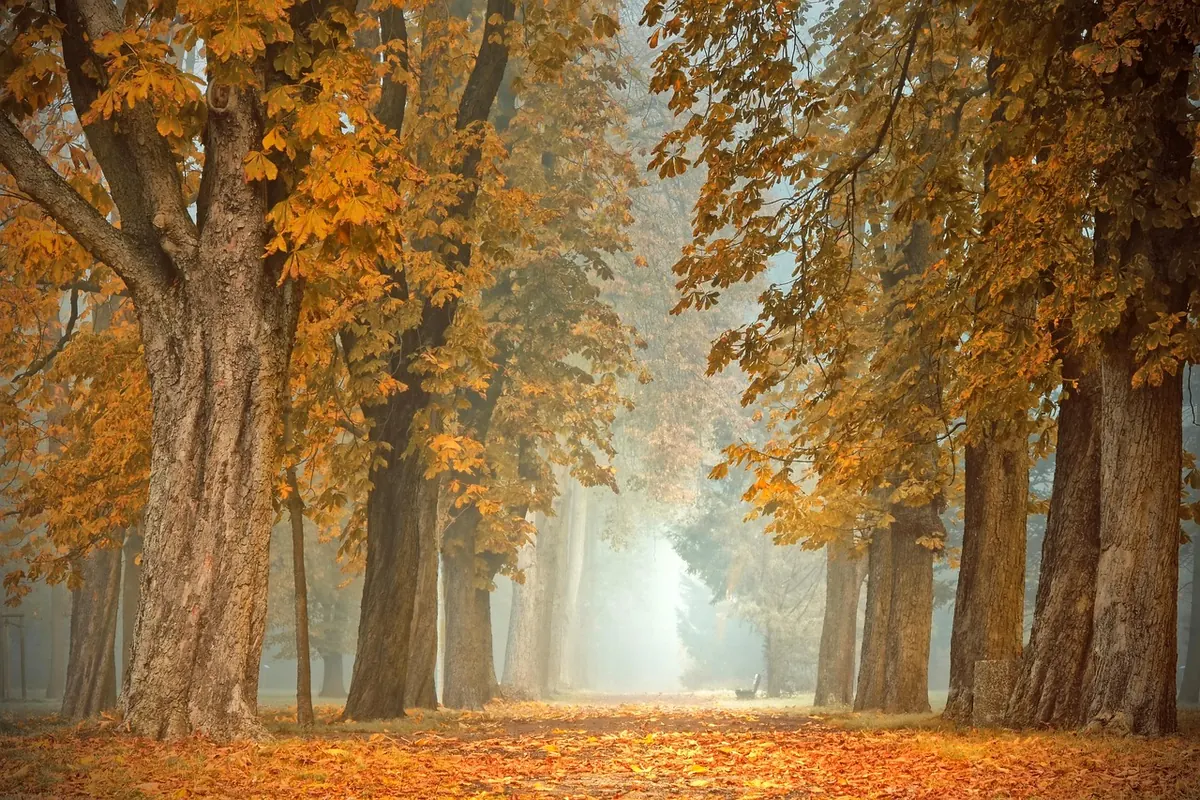
Woodland theatre has a particular atmosphere: birdsong between lines, leaves moving behind the set, the audience wrapped by trees. That atmosphere should not depend on who can reach the clearing. Accessibility is not a separate add-on to the artistic programme. It is part of the set, the route, the welcome and the exit. A well-designed event lets people arrive calmly, settle comfortably, enjoy the performance and leave without a maze of improvisation.
The checks below work for small and mid-scale forest theatre events, whether the audience sits on benches at dusk or walks a promenade route between scenes. They are practical rather than perfect. A muddy woodland site will rarely become a fully accessible building, but it can become clear, welcoming and honest about what it offers.
Start with the route, not the stage
Before anyone adjusts a lantern or tunes an instrument, walk the site as a visitor would. Start at the road, car park, bus stop or bike rack and follow every route to the performance area, toilets, refreshments and quiet space. Note surfaces, gradients, gates, tree roots, narrow bridges, muddy patches and temporary cables. A route that is step-free in dry weather can become impassable after rain. Test it in the conditions audiences are likely to meet, and keep a simple maintenance kit on hand: matting, cable ramps, a shovel, absorbent grit and spare signage.
Make a route plan you can publish
- Mark the arrival point, ticket check, accessible route, standard route, toilets and quiet area on one simple map.
- Record the narrowest point, steepest section and any threshold or lip, then decide whether to fix it, reroute or describe it honestly.
- Use firm, level temporary matting over soft ground where needed, secured at the edges so wheels and walking sticks do not catch.
- Keep accessible routes free of bins, signs, bikes, cables and audience queues; mark them with clear, repeated signs.
- Publish route details in plain language before booking: surface, distance, gradients, rest points and whether assistance is available.
If a route includes a short slope or a rough patch, say so. Visitors can plan around a known obstacle. They cannot plan around a surprise.
Seating that offers real choice
Seating in a woodland venue is often charming and improvised: log benches, hay bales, a slope with a view. Charm does not excuse a poor sightline or a bench with no back support. Offer a mix: firm chairs with backs and arms, benches at more than one height, level spaces for wheelchairs and mobility scooters, and companion seats beside them. Place wheelchair spaces throughout the seating area, not only at the back or side. Everyone should be able to sit with their friends.
Check sightlines from seated height, not only from standing. A performance that works from a picnic blanket may disappear behind a row of tall audience members. Keep a clear route through the seating so people can leave and return without climbing over others. Cushions, blankets and a few upright chairs with arms can make a long performance much easier for visitors with back pain or limited stamina. If seating is unreserved, explain how early arrival affects choice, and reserve a small number of accessible places for late bookers.
Signage and wayfinding that works before and on site
Signage begins before the event. A clear booking page, arrival instructions, a map and a named contact do more for access than a last-minute sign at the gate. On site, use high-contrast lettering at eye level, short text, and symbols alongside words. Place signs at every decision point: car park, path fork, toilet, quiet area, box office and exit. Avoid naming routes only as A, B and C; call them Oak Path, Fern Path and Brook Path, then repeat those names online and on site.
For evening events, light signs without dazzling audiences or performers, and keep trip hazards out of the lit edge. If you use a QR code for a digital map, provide a printed alternative for people without a smartphone or with low vision. A steward at the main arrival point can answer questions faster than any sign, so brief them on the route plan and give them a map to hand out.
Quiet areas and sensory retreats
Not everyone experiences a woodland performance in the same way. Some visitors need a place to step away from sound, crowds, strong scent or sudden lighting changes, and then return. A quiet area should be easy to find, away from the main speaker stack and audience flow, with clear sight of a steward. Provide seating, shade or shelter, water if available, and a simple sign that says what the space is for. Keep it free of queues, bins, generators and smoking.
Agree how a visitor can leave and re-enter without walking across the stage or disturbing others. A quiet area is not a medical room and does not need to be clinical; it is a calm place with a clear exit. If the site is dark, mark the route with low, warm lights and check it again once the performance begins.
A sensory checklist for the whole event
Use this checklist as a planning conversation, not a box-ticking exercise. Walk the event with a range of visitors in mind: children, older people, wheelchair users, people with low vision or hearing, autistic visitors, people with chronic pain, and anyone who has told you what they need.
Before the event
- List sudden sounds, smoke, fog, strobe or flashing effects, strong scents, pyrotechnics, loud music and audience participation; publish a short content note and offer a calm route out.
- Decide how you will warn audiences about moments that may startle; a spoken welcome and a printed note are both useful.
- Check amplified sound levels and speaker placement, especially near the quiet area and seating edges.
- Prepare a small comfort kit: ear defenders, blankets, soft torches, water and a first-aid point with a named steward.
- Tell stewards where the quiet area is, how to guide someone there, and how to help without making a fuss.
During and after
- Keep paths and exits clear as light falls; check them again at dusk.
- Make announcements slowly and in plain language, with key points repeated.
- Offer a way to give feedback privately, including what worked and what got in the way.
If the event includes physical activity or a long walk, say so clearly and suggest that visitors with health concerns seek advice from a qualified professional before booking. That is not about turning people away; it is about giving them the information to choose comfortably.
Staffing, communication and feedback
Access is delivered by people as much as by ramps. Brief every steward, volunteer, performer and front-of-house person on the route plan, seating options, quiet area and emergency exit. Give them permission to solve small problems quickly: move a chair, fetch a blanket, guide someone to the quiet area, radio for help. Include one named access contact in booking confirmations and at the welcome point. Ask visitors about their needs at booking and again on arrival, and keep that information private.
If someone asks for a step-free route, do not send them a map with a red line and hope. Walk the route yourself and describe it accurately. A short, honest sentence such as “the last twenty metres are grass and may be soft after rain” is more useful than a promise the site cannot keep.
A short pre-event walk-through
On the day before or morning of the event, walk the whole visitor journey with a clipboard and a critical eye. Start at arrival, follow the signs, sit in the accessible seating, visit the quiet area and leave by the main exit. Fix what you can, sign what you cannot fix and tell the front-of-house team what changed.
- Check the route from transport and parking to the seating area.
- Sit in an accessible space and confirm the sightline.
- Follow the quiet-area route without using shortcuts.
- Read every sign from a visitor’s height and distance.
- Brief the team, then repeat the walk after the event while the details are fresh.
The result will not be a perfect woodland venue. It will be a clearer, kinder one, where more people can settle into the trees and stay for the story.
Photo: SHVETS production / Pexels